A cracked front walk, undersized landing, and shrubs that swallow the windows can make an otherwise beautiful property feel neglected before guests reach the door. A well-planned front entry makeover changes that first impression while solving the everyday concerns behind it: safer footing, clearer access, better drainage, and a more welcoming approach to the home.
For homeowners throughout Greater Boston and the North Shore, the best results come from treating the entry as a complete landscape composition rather than a collection of separate updates. The walkway, steps, plantings, lighting, and grading should work together through humid summers, freeze-thaw winters, heavy rain, and the demands of snow removal.
Start a Front Entry Makeover With the Approach
The front door gets attention, but the route to it does most of the work. A narrow, uneven, or poorly aligned walkway creates frustration every day and can reduce the impact of even the most attractive planting plan. Begin by considering how people actually arrive at the property: from the driveway, sidewalk, garage, or street.
A walkway should feel generous enough for two people to walk comfortably side by side or for someone carrying packages to pass without stepping into a planting bed. Straight paths suit formal homes and compact entries, while a gentle curve can soften a broad lawn or create a more relaxed transition from driveway to porch. The right choice depends on the architecture, available space, and the way water moves across the site.
Material selection matters just as much as layout. Natural stone offers enduring character and pairs beautifully with New England homes, though it can involve a higher initial investment. Quality concrete pavers provide a refined, consistent finish with design flexibility and can be practical where future access or repairs may be needed. Brick creates a traditional appearance but needs careful installation and edge restraint to perform well through seasonal movement.
Steps and landings deserve special attention. A landing should provide a stable pause at the door rather than a cramped surface where visitors must balance while entering. Consistent riser heights, properly proportioned treads, and durable handrails improve both appearance and safety. These details are not decorative extras. They shape how confidently people use the entry in rain, darkness, and winter conditions.
Build for New England Weather
The most polished entry can fail if the base preparation is inadequate. Proper excavation, compacted aggregate, edge restraint, and grading help hardscape surfaces stay level as soils shift through freezing and thawing. A professional installation also accounts for where snow will be pushed or piled, protecting plant beds and keeping walking areas serviceable during winter.
Surface texture is another practical consideration. Highly polished materials may look striking in a sample but can become slippery when wet or icy. Choose finishes that offer reliable traction without looking overly rough or industrial. The goal is an entry that feels elegant in every season, not just on a dry summer afternoon.
Let Drainage Guide the Design
Many front entry problems begin with water. Puddles at the base of steps, runoff crossing the walkway, soil washing from beds, or water collecting near the foundation are signs that the landscape needs more than cosmetic attention.
A thoughtful front entry makeover directs water away from the house and off primary walking surfaces. This may involve reshaping grades, adjusting walkway pitch, installing drainage solutions, or using permeable materials where site conditions allow. Downspout discharge should also be considered early, before new planting beds or pavers make changes more complicated.
Drainage is not always visible when the project is complete, but it protects the visible investment. It helps preserve pavers, reduce winter icing, support healthier plants, and prevent the persistent muddy areas that make an entry look unfinished. On sloped properties or sites with recurring runoff, drainage planning should lead the design conversation rather than be added after the hardscape is in place.
Frame the Door With Purposeful Planting
Planting gives an entry its softness, color, and sense of arrival. Yet crowded foundation shrubs and overly busy flower beds can make a front elevation feel smaller instead of more inviting. The strongest designs use plant material to frame key features, maintain sightlines, and provide interest across the seasons.
Start with structure. Evergreen shrubs, small ornamental trees, and selected upright forms can give the entry definition in winter, when Massachusetts landscapes are at their most exposed. Deciduous shrubs and perennials then add texture, flowers, and changing foliage without requiring every bed to depend on one brief season of color.
Scale is essential. Plants should complement the home rather than obscure windows, porch details, house numbers, or lighting. A young shrub may look appropriately sized on installation day but outgrow the space within a few seasons. Choosing varieties based on mature size reduces aggressive pruning and helps the landscape retain its intended shape.
Consider maintenance honestly. A high-detail cottage garden can be beautiful, but it needs regular weeding, deadheading, dividing, and seasonal cleanup. For property owners seeking a more orderly, lower-maintenance look, layered shrubs, ornamental grasses, groundcovers, and dependable perennials may deliver a cleaner result with less weekly attention. Neither approach is inherently better. The right planting plan reflects the property, the homeowner’s preferences, and the level of ongoing care available.
Create Four-Season Interest
A front entry should not rely solely on spring blooms. Combine evergreen form, summer flowers, fall foliage, textured bark, berries, and ornamental grasses to keep the approach visually engaging over the full year. Even a modest bed can feel thoughtfully designed when it has a clear rhythm of height, color, and texture.
Mulch provides a finished appearance and helps retain moisture, but it should be applied carefully. Thick mulch piled against trunks or foundation walls can create problems rather than solve them. Clean bed edges and appropriate mulch depth offer the crisp, cared-for appearance most homeowners want.
Use Lighting to Improve Safety and Atmosphere
Landscape lighting extends the usefulness of the entry and makes the property feel more welcoming after sunset. It should first illuminate the areas people need to navigate: the path, steps, changes in elevation, and house numbers. Once these essentials are covered, lighting can add subtle architectural and landscape interest.
Low-voltage fixtures are often ideal for highlighting a walkway without creating glare. Gentle downlighting from trees, carefully placed uplighting on a stone wall or specimen planting, and restrained illumination at the front door can produce a warm, composed effect. More fixtures do not necessarily create a better design. Excessive brightness can flatten the landscape and disturb neighbors.
Fixture quality and placement affect longevity. Outdoor lighting must handle moisture, temperature swings, lawn equipment, and snow. A well-designed system also allows for routine adjustments as plantings mature, because a fixture that looks perfect beneath a young tree may be hidden by its canopy several years later.
Add Details That Make the Entry Feel Complete
Once the major surfaces and planting structure are in place, smaller details can elevate the finished result. A defined bed edge, coordinated address numbers, a tasteful container planting, or a properly scaled fence section can make the entry feel intentional. These elements should support the architecture instead of competing with it.
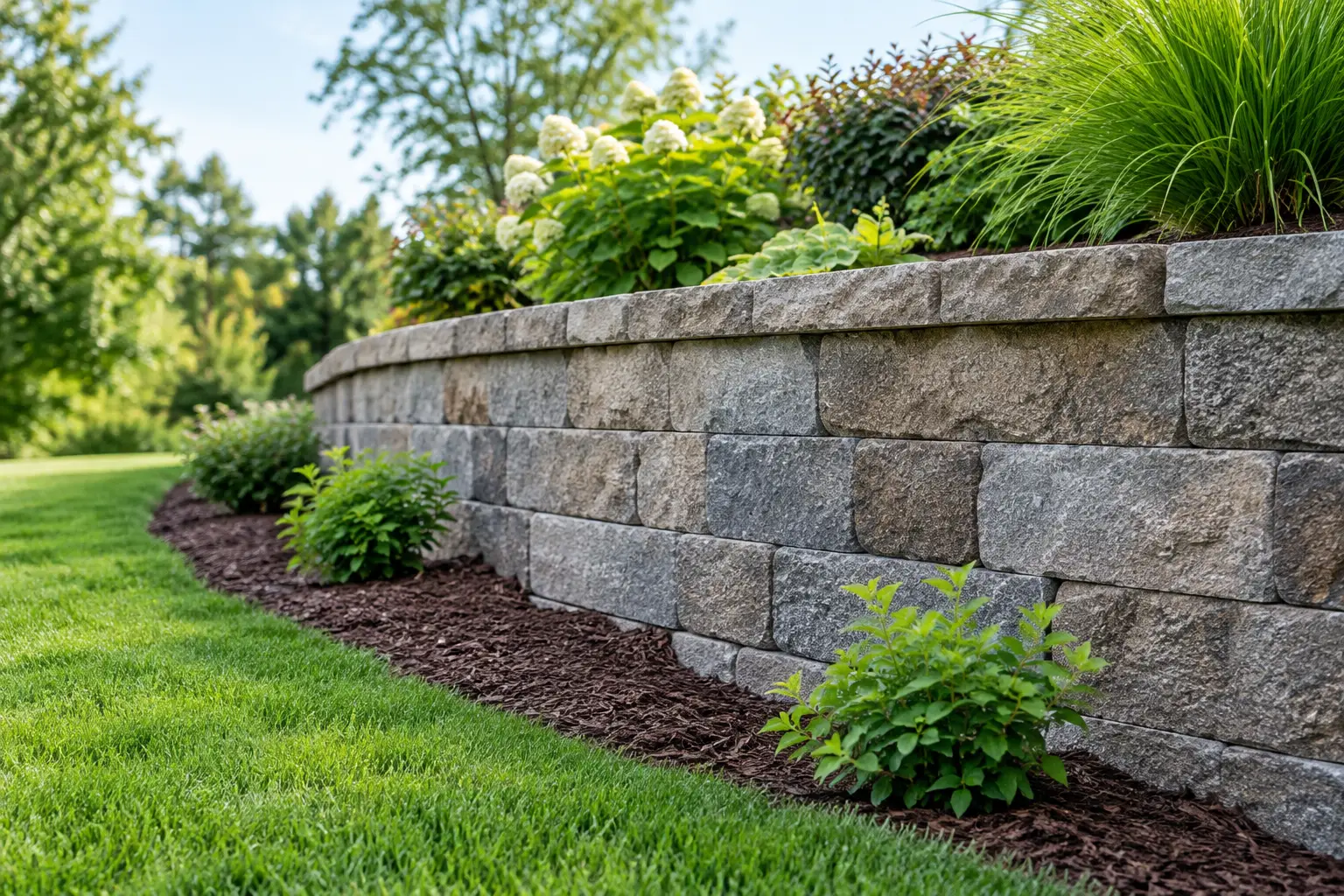
Fencing can be particularly useful when a front yard needs clearer boundaries, pet containment, or privacy from a neighboring drive. In other settings, a low landscape wall can create grade transitions and offer a strong visual edge around planting beds. Both require attention to proportion, materials, and drainage so they feel like a natural extension of the property.
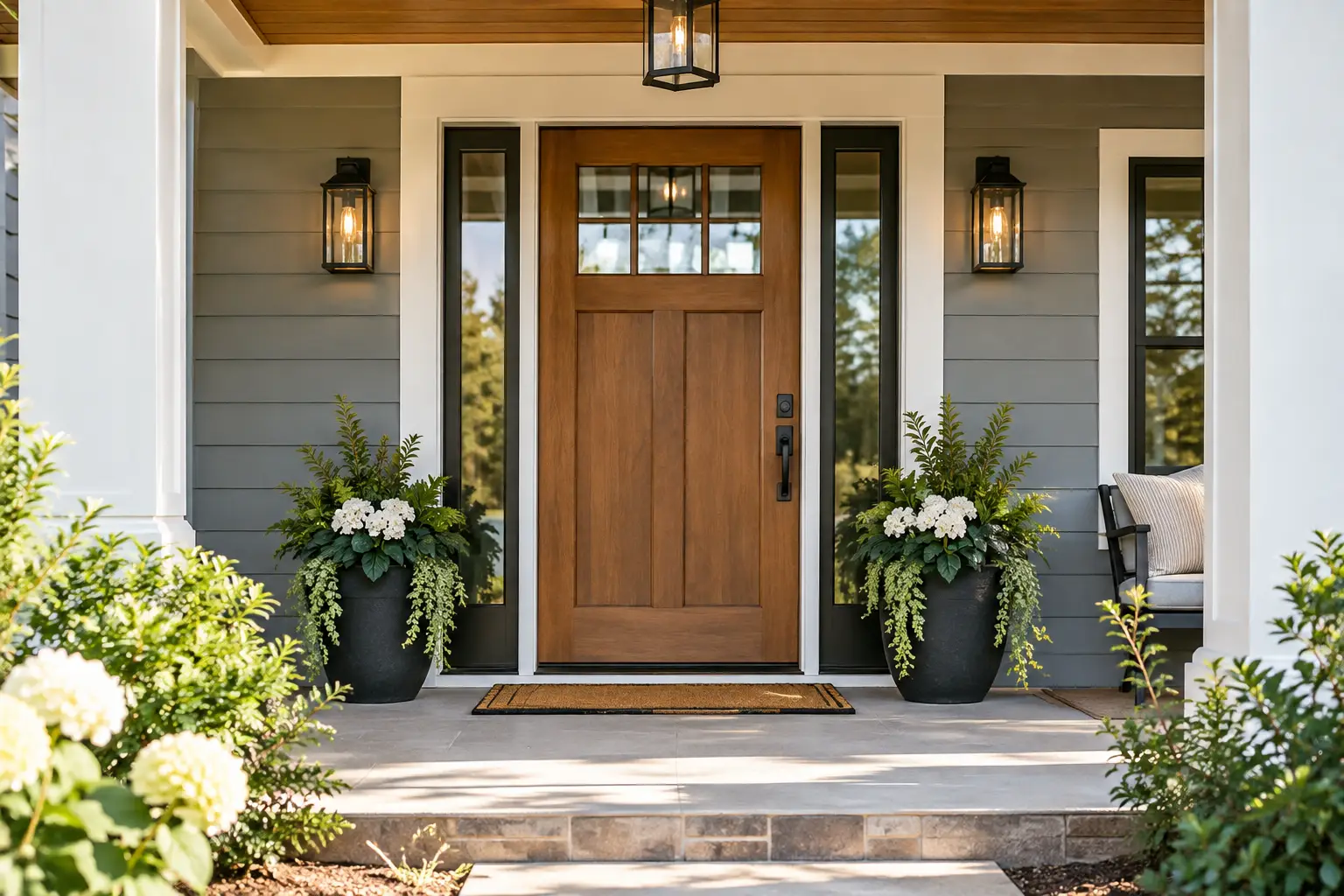
Containers offer flexibility near the door, especially where in-ground planting space is limited. They can provide seasonal color and make a formal entry feel more personal. Keep them sized to the scale of the door and porch. Small pots often disappear beside a substantial façade, while oversized containers can overwhelm a narrow landing.
Plan for Long-Term Care
An entry makeover reaches its full potential when the care plan is considered from the start. Shrubs need pruning at appropriate times, lawns benefit from consistent seasonal service, beds need cleanup, and hardscape surfaces may require periodic maintenance. Paver sealing, when suitable for the material and installation, can help preserve a clean appearance and simplify upkeep.
M&M Landscaping approaches entry transformations with both construction craftsmanship and year-round property care in mind. That coordinated perspective helps ensure that a new walkway is practical to maintain, planting beds remain refined as they mature, and the property continues to look cared for beyond the final installation day.
A memorable entry does not have to be oversized or overly elaborate. It needs to be safe underfoot, suited to the home, resilient in local weather, and maintained with the same care that shaped it. Begin with the problems you want to solve, then build an approach that makes every arrival feel considered.